The convergence of blockchain and IoT: Securing the future of smart devices

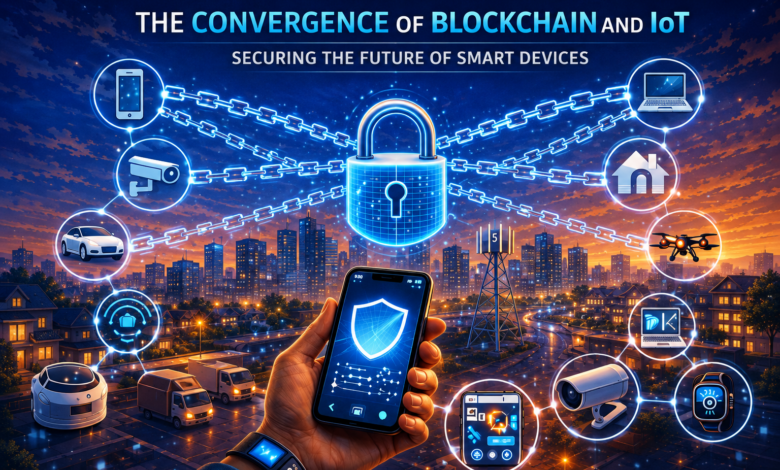
Smart devices are everywhere today. You will see them in fitness bands, home assistants, factory sensors, and connected cars. The Internet of Things (IoT) has become a part of everyday life. These devices make your tasks easier, faster, and convenient. However, with more connected devices, security becomes a big concern, such as cyberattacks, data leaks, and system failures that are happening more frequently as the number of IoT devices grows.
Blockchain technology can help with these security issues. Although it was once mainly known for cryptocurrencies, people are now using blockchain to protect data and build trust between devices. In simple terms, combining blockchain and IoT is helping you to create a safer digital future.
This blog will help you understand how blockchain and IoT work together, why this combination is important, the benefits they offer, the challenges they face, and how they will shape the future.
What are IoT devices and why do they matter?
IoT devices are gadgets that connect to the internet and communicate with each other. They will collect your information, learn from how you use them, and help you with your tasks.
Some examples of IoT devices are:
- Smart thermostats that automatically adjust room temperature.
- Smart watches that track health
- Security cameras that connect to mobile apps
- Sensors that monitor machines in factories
- Smart meters that measure electricity and water usage
These devices are important because they save your time, make homes and workplaces more efficient, and reduce the effort needed from people. However, they also generate a lot of data, which needs to be protected.
What is blockchain, and how does it help IoT?
Blockchain is a secure digital journal for storing information. Once data is added, it is difficult to change. Each entry is verified by multiple computers, making it trustworthy and hard to tamper with.
Here’s how blockchain benefits IoT:
Better security:
Data is stored in many locations, making it tough for hackers to attack. This keeps your IoT devices safe from cyber threats.
Transparent records:
Every action by a device, such as sending data or updating software, is recorded and time-stamped. This helps track what happened and when.
Device verification:
Blockchain gives each device a secure identity, preventing fake devices from joining the system.
Smart automation:
Smart contracts can automatically handle tasks like granting access, approving updates, or alerting users when something goes wrong.
Together, IoT and blockchain create a reliable and secure network where devices can communicate safely.
How does your blockchain improve your daily IoT usage?
Secure smart homes
Smart locks, lights, and appliances often share sensitive information. Blockchain technology helps ensure that only trusted devices and users can access them.
Safe health monitoring
Wearable devices gather personal health data. Blockchain keeps this data private and stops anyone from changing it.
Stronger industrial systems
Factories use IoT sensors to manage machines. Blockchain makes sure the data is accurate and helps prevent breakdowns caused by false readings.
Cleaner supply chains
IoT devices track products from warehouses to stores. Blockchain ensures that records cannot be altered, helping to prevent counterfeit products.
How does your blockchain reduce risks in IoT?
- Prevents data tampering: No one can secretly change or delete information on a blockchain.
- Stops identity theft: Each device has a unique digital identity, making it harder for hackers to pretend to be other devices.
- Avoids single-point failures: Unlike centralized systems, blockchain doesn’t have a single server that can shut down the entire network.
- Enhances privacy: Data can be encrypted, so only authorized people can see it.
What are the benefits of blockchain+IoT?
Better security
Devices and data are protected from hacking and unauthorized access.
Increased trust
All transactions are clear and can be verified.
Lower costs
Smart automation cuts down on manual checks and middlemen.
Improved efficiency
Real-time data helps companies make quicker and smarter decisions.
Less downtime
Secure communication between machines helps prevent breakdowns.
Where are Blockchain and IoT used together?
Smart Cities
Traffic lights, pollution sensors, and security cameras work safely and efficiently.
Healthcare
Patient records, wearable devices, and hospital equipment can securely share information.
Agriculture
Sensors monitor soil, water, and crop conditions, while blockchain technology ensures accurate reporting.
Energy
Smart meters help manage electricity use and support secure energy trading.
Logistics
Shipment tracking is clear and reliable.
What are the challenges faced by Blockchain+IoT?
The technology shows promise, but there are still some challenges:
Limited device power:
Many IoT devices have small processors and cannot run heavy blockchain software.
Storage issues:
Blockchain data expands quickly and needs more space.
Slow processing:
Some older blockchain networks take time to validate transactions.
High cost:
Setting up blockchain systems can be expensive for small businesses.
Regulatory concerns:
Many countries are still developing rules for blockchain.
These challenges are being addressed with lightweight blockchain models and support from governments.
What does the future look like for Blockchain and IoT?
The future of blockchain and the Internet of Things (IoT) looks very promising. Here’s what to expect:
AI-powered IoT:
Devices will use artificial intelligence to make predictions and decisions automatically.
Blockchain-based digital IDs:
Each device will have a secure identity to prevent fraud.
Smart cities with IoT:
Urban planning, waste management, and public safety will be fully automated and secure.
Global adoption:
Countries like India and the USA are leading in smart infrastructure and blockchain development.
Faster, safer networks:
New blockchain models will be quicker and use less energy, making them suitable for large IoT networks.
Conclusion
The combination of blockchain and the Internet of Things (IoT) is changing the digital world. IoT connects devices to make life easier, while blockchain keeps these connections safe and reliable. Together, they create a strong system that protects data, lowers risks, and increases efficiency.
As smart devices become more common in homes, cities, hospitals, and industries, blockchain will be even more important for security. Countries like India and the USA are moving quickly toward this future, where technology is not only smarter but also safer. The merging of blockchain and IoT is not just a passing trend—it is the basis for secure digital living.
FAQs
Q1. Why is blockchain important for IoT?
Ans: IoT devices gather a lot of data. Blockchain keeps this data safe from hacking or tampering.
Q2. Can blockchain make your IoT devices safer?
Ans: Yes. Blockchain provides a secure and tamper-proof record of all device actions, making it harder for hackers to attack.
Q3. Is blockchain used in homes?
Ans: Yes. Smart locks, smart meters, and home assistants can use blockchain to protect data and device communication.
Q4. Is blockchain expensive for IoT?
Ans: It might be costly at first, but it can save money in the long run by improving security and reducing system failures.
Q5. Which industries benefit the most from Blockchain + IoT?
Ans: Industries like healthcare, logistics, manufacturing, energy, and smart cities benefit greatly because they rely on real-time data.
Q6. What does the future hold for Blockchain and IoT?
Ans: The future includes secure smart cities, intelligent machines, safer healthcare systems, and widespread use of connected devices with strong security.
For more information visit on our website : Dolphin Techknology